


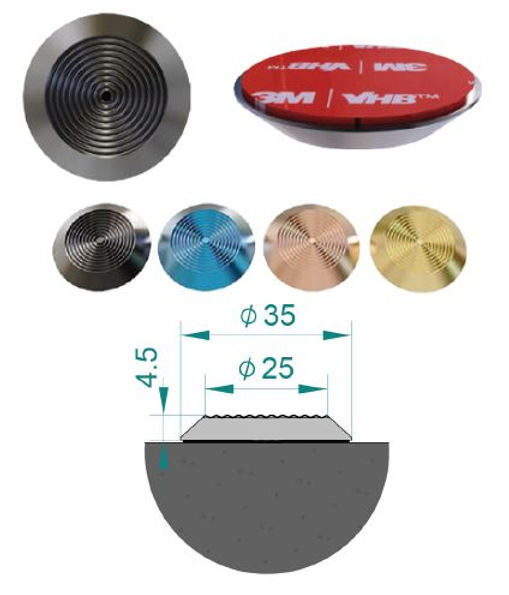
Tactile indicators are not just a design feature. They are a critical part of making spaces safe and accessible for people with visual impairments. Since these indicators are used daily in areas with constant movement, their material plays a major role in how long they last. Choosing the right material can reduce maintenance, improve safety, and ensure long-term performance.
This article explains how stainless steel, brass, polyurethane, and aluminum compare in terms of durability and usage so you can make a better decision for your project.
Why Material Choice Matters
Tactile indicators face continuous pressure from foot traffic, environmental exposure, and regular wear. If the material is not strong enough, it can lose its shape, fade, or become less effective over time. A durable material ensures that the indicators remain visible and functional for many years.
The right material also helps reduce repair and replacement costs. This makes it important to select a material that matches the level of traffic and environmental conditions of the installation area.
Stainless Steel Maximum Strength and Longevity
Stainless steel is widely known for its strength and long life. Products like stainless steel tactile studs are built to handle heavy foot traffic and demanding conditions without losing their effectiveness.
This material resists corrosion, which makes it suitable for both indoor and outdoor use. It performs well in areas exposed to moisture, heat, and constant use, such as railway platforms, airports, and public walkways.
Another advantage of stainless steel is that it maintains its appearance over time. It does not easily crack or deform, which contributes to its long lifespan. Although it may have a higher initial cost, it often becomes more economical because it requires very little maintenance.
Brass Strong with a Premium Look
Brass is a durable material that also offers an attractive finish. It is commonly used in commercial spaces where appearance is important, such as hotels, offices, and retail environments.
Brass tactile indicators can handle moderate to high levels of foot traffic. Over time, brass may develop a natural surface change, which can alter its appearance. Some prefer this look, while others may choose to maintain its original finish.
While brass is strong, it is slightly softer than stainless steel. This means it may show signs of wear faster in areas with very high traffic. Even so, it remains a reliable option when both durability and design are important.
Polyurethane: Flexible and Slip Resistant
Polyurethane is a modern material that focuses on safety and comfort. Polyurethane tactile tiles provide a softer surface and excellent grip, making them suitable for indoor use.
This material is resistant to chemicals and sunlight, which helps it maintain its color and texture. It works well in areas where slip resistance is important, such as hospitals, offices, and educational spaces.
However, polyurethane is not as strong as metal materials. In areas with very heavy traffic, it may wear down faster. Its durability is good for controlled environments, but it may not be the best choice for demanding outdoor locations.
Aluminum: Lightweight and Cost-Effective
Aluminum is a lightweight material that offers a practical and affordable solution. It is easy to install and works well in projects with limited budgets.
Aluminum tactile indicators are resistant to rust and can perform well in moderate traffic conditions. They are often used in commercial and residential spaces where extreme durability is not required.
However, aluminum is softer than stainless steel, which makes it more prone to scratches and surface wear. In high-traffic areas, it may need replacement sooner compared to stronger materials.
Comparing Durability Across Materials
When comparing all four materials, stainless steel stands out as the most durable option. It can handle heavy use and harsh conditions without losing its strength or function. Brass follows as a strong alternative with added visual appeal, although it may require more care.
Polyurethane offers safety and flexibility, making it suitable for indoor environments with controlled traffic. Aluminum provides a cost-effective option for less demanding applications. Each material serves a different purpose, and the best choice depends on the specific needs of the project.
Final Thoughts
Selecting the right tactile indicator material is essential for long-term safety and performance. Stainless steel offers the highest level of durability and is ideal for high-traffic areas. Brass provides a balance between strength and appearance. Polyurethane focuses on comfort and grip, while aluminum delivers a practical solution for lighter use. By understanding the strengths of each material, you can choose the one that best fits your environment and ensures reliable performance for years to come.